
Pathways to Freedom
- Part 1 of 4
7 relationship skills
- from reactivity to
relationship skills
From unconscious reactivity, via conscious training, to a new way of being - natural, integrated and stable.
Hi, I'm Kristiina - let me guide you through Pathways to Freedom
When I first encountered the ”Pathways to Freedom” matrix, I was both deeply inspired and quite overwhelmed. It described 28 relationship skills and how they develop over time, and I remember how clearly I saw how much I still had to learn myself - while at the same time I started to think about how I could reasonably approach it in everyday life.
My curiosity about human development, relationships and practical NVC led me to continue exploring the material. Through trainings and by methodically working on one skill at a time, in dialogue with others, I discovered how crucial it is to practice the skills in real-life situations - not just understand them intellectually. That training gave me structure, more choices in difficult conversations, and a whole new sense of freedom in my relationships.
Today, I use the matrix regularly in my training programmes. I have seen participants go from uncertainty and hesitation to facing conversations with greater confidence, presence and clarity.
In my course, you will be supported, structured and safely guided through all the skills, so that you can start using them step by step in your own everyday life.
7 relationship skills, part 1/4
- from reactivity to relational competences
Presence
Paying attention to what is happening right now, without getting caught up in thoughts, feelings or automatic reactions. Unconsciously, we can get lost in the past and future, but through conscious observation, we can observe our thoughts and feelings and act instead of reacting. When the skill is more developed, we experience a relaxed presence with meaning and freedom of choice, openness to the moment and trust in our own resources and perspectives on the past and future.
To observe
Being able to see what is happening inside and around us without immediately reacting. Unconsciously, we are often caught up in thoughts and impulses, but through conscious observation we can observe our experiences and actions. When this skill is fully developed, we face each moment with clarity, curiosity and balance, and can choose our actions with awareness.
Awareness of emotions
Recognising and understanding your own emotions in the moment. Unconsciously, emotions can control us without realisation, but through awareness we can see them clearly and respond to them with calm. When the skill is integrated, we experience our emotions without getting stuck in them, with openness, empathy towards ourselves and the ability to make conscious choices.
Self-acceptance
Being able to face oneself with openness and without judgement. Unconsciously, we may criticise or deny parts of ourselves, but through self-acceptance we learn to observe and embrace our strengths and weaknesses. When the skill is fully developed, we feel secure in ourselves, with confidence, inner balance and an openness to life as it is.
Taking ownership of your feelings
Seeing our feelings as our own and being able to take responsibility for how we respond to them. Unconsciously, we may blame others or circumstances, but through ownership we can observe and act consciously. When the skill is developed, we face emotions with responsibility, choice and strength, without letting them control us.
Awareness of needs
Recognising and understanding your own needs in the moment. Unconsciously, needs may be suppressed or projected, but through awareness we can identify what is important to us. When the skill is fully developed, we act on our needs with respect for ourselves and others, creating reciprocity and balance.
Reconnecting with oneself after reactivity
Being able to find your way back to your core when you have lost touch with your emotions, thoughts or actions. Unconsciously, we can be pulled away by stress or external influences, but through reconnection we can regain focus and calm. When the skill is developed, we are anchored in ourselves, aware of the moment, with a sense of stability, presence and choice.
What to expect

Personal development
Deepen your self-awareness and replace reactivity with confidence and inner clarity in relationships.

Practical training
Practise concrete skills that will help you deal with charged situations - not just when everything is calm.

Community
Experience togetherness in a group where connection, empathy and development are at the centre.
Continuity
Create change that lasts through regular training, support and gradual deepening.

Structure
Get a clear and well-organised process that guides you step by step in your lifelong learning.
Pathways to Freedom is an in-depth development programme divided into four semesters. Each term consists of seven sessions and focuses on seven specific NVC skills. Together, the four semesters form a total of 28 skills, based on Pathways to Freedom.
Experiential learning
Experiential learning where you practically develop relationships, presence and self-awareness.

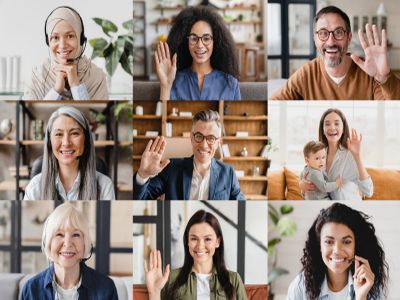
Digital meetings every two weeks
- Meetings led by Kristiina (2 hours per session)
- Total 7 sessions per semester (every two weeks)
- 19.00-21.00
- Via Zoom you can participate from home no matter where you live
Community-based
- Continuous community - Go through the whole course with the same participants and create a deeper field of relationships that grow together.
- Safe practice environment - Exploring new ways of relating with a dedicated group in a supportive context
- Practical exercises together
- Structured training in small groups

How to develop the skills
- PDF material is emailed after each session
- You will receive homework to practise before the next meeting
- The homework is discussed in small groups next meeting
This is not just yet
a communication course.
It is a holistic experience that develops how you
communicate, act and relate - with yourself and others.
About Pathways to Freedom
The Pathways to Liberation Matrix was developed to support self-assessment of basic relationship skills that people have and develop through Nonviolent Communication (NVC). The Pathways to Liberation Matrix is a collaborative project created by Jim Manske, Jori Manske, Jacob Gotwals and Jack Lehman.
The purpose of the matrix is to provide a tool that can contribute to personal and systemic well-being, better relationships and increased interaction in the world. People develop in different phases and over time, and the matrix is meant to provide support by visualising different development perspectives, based on where we are right now. The idea is that when you see what steps there are, you can more easily understand yourself and find ways forward out of various dilemmas. From a larger perspective, the matrix answers the question:
”How can I navigate peacefully in reality?”
The matrix provides support in
- identify behaviours and patterns that limit you and show new, more constructive ways of acting
- encourage you to compassionately reflect on your learning and how you integrate NVC skills and awareness
- support your autonomy and help you develop personal responsibility for learning and integration
- develop your ability to observe, increase your emotional awareness, strengthen self-acceptance and deepen your judgement
- free yourself from the need to perform to gain the approval of others or avoid their disapproval
- recognise and celebrate your strengths and encourage continued development and learning
Date: Every second Wednesday, odd weeks
Meeting 1: 26 August
Meeting 2: 9 September
Meeting 3: 23 September
Meeting 4: 7/10
Meeting 5: 21/10
Meeting 6: 4 November
Meeting 7: 18 November
Time: 19.00-21.00
Location: Zoom in
No prior knowledge is needed.